
The Architecture of a Legacy: Protecting Your Home Across Generations
For most families, a home is more than a collection of square footage and a parcel number; it is the physical container for a lifetime of memories. It represents the stability of the past and the promise of the future. However, in California, the transition of that legacy from one generation to the next has become a complex journey. Ensuring your children can afford to keep the home they grew up in is no longer a matter of a simple handshake or a line in a will—it is a matter of precise navigation.

How the Landscape Shifted
For decades, California families operated under a relatively straightforward set of rules. You could pass your primary residence to your children, and the property taxes would remain "frozen" at your original rate. This allowed families to maintain long-term stability regardless of how much the surrounding real estate market climbed. However, the passage of Proposition 19 a few years ago fundamentally rewrote these rules, narrowing the path for tax-free transfers and making the "Parent-to-Child" designation far more rigorous.

The 2026 Criteria: What Qualifies?
To qualify for a reassessment exclusion today, the state looks for very specific markers. It is no longer enough to simply be related; the intent and usage of the property are now the primary legal filters.
The Primary Residence Requirement: Both the parent (transferor) and the child (transferee) must use the property as their principal residence.
The Filing Timeline: The child must file for the Homeowners’ or Disabled Veterans’ Exemption within one year of the transfer date.
The Value Ceiling: There is a limit on how much "assessed value" can be excluded. If the market value exceeds the original taxable value by more than $1,022,141 (adjusted for 2026 inflation), a partial reassessment will occur.
Family Definitions: This applies to direct lineages—parents to children, or in specific cases, grandparents to grandchildren if the intermediate parents are deceased.

Why This Matters for Your Future
For the generation currently managing estates—whether you are looking toward retirement or helping elderly parents—the stakes are financial and emotional. Without a qualified Parent-to-Child transfer, a home’s property tax bill could jump from $3,000 a year to $15,000 or more overnight. This "tax shock" often forces families to sell homes they intended to keep, disrupting fixed-income budgets and dissolving the family’s footprint in their community.
The Current Reality
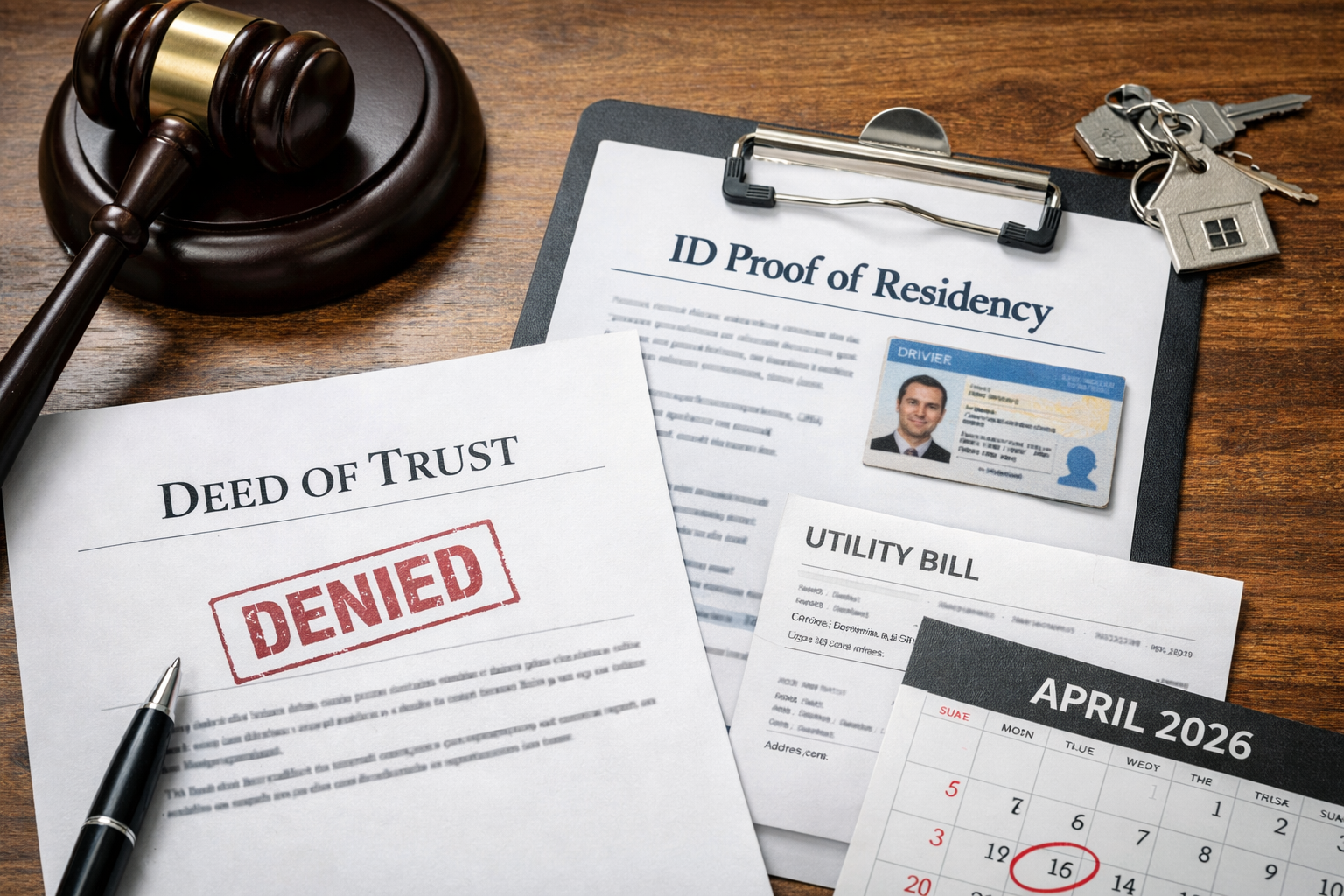
As we move through 2026, the interpretation of these laws has tightened. The state is more vigilant than ever regarding "move-in" proof and the timing of deed filings. What worked in 2020 is likely obsolete today. The urgency lies in the fact that these decisions are often irreversible once a transfer is recorded; you cannot "undo" a reassessment if the paperwork was filed incorrectly or the residency requirements weren't met.

Navigating the Complexity
Because the rules are narrow, the margin for error is slim. It is helpful to view the County Assessor not as an adversary, but as a strict auditor of the law. Every box must be checked, and every timeline must be honored. Risk mitigation isn't about finding "loopholes"—it’s about proactive planning and ensuring that your family’s specific situation aligns perfectly with the current legal requirements before any documents are signed.

A Note on Legal Nuance
Property tax law is notoriously dense and subject to individual county interpretation. While the framework for Parent-to-Child transfers is set at the state level, the administrative processing by the County Assessor can vary. This summary provides a general overview, but it does not account for the specific legal intricacies of trusts, co-ownership, or multi-unit properties, which may require specialized handling.

Secure Your Family’s Legacy
The difference between a protected family home and a massive tax liability often comes down to a single consultation. Contact CBM Estate & Trust Law today to schedule a consultation. Our attorneys can help you review your property’s history and develop a customized planning strategy to protect your family’s future.
