
The Arbiter of Fairness: Understanding the State Board of Equalization
For generations of Californians, the family home has represented more than just four walls and a roof; it is the physical manifestation of a life's work. The "California Dream" is built on the promise that if you work hard and invest in your community, you can create a stable legacy for your children. However, that stability relies on a system of taxation that is predictable, uniform, and—above all—fair. When the rules governing your most valuable asset feel inconsistent, the dream can start to feel like a moving target.
This is where the State Board of Equalization (BOE) enters the story. Established in 1879, the BOE was created to solve a fundamental problem: ensuring that property was assessed at the same standards regardless of which county it sat in. Over the last century and a half, they have evolved into the primary "referee" of California property tax law. At CBM, we recognize that to protect a legacy, one must understand not just the law itself, but the body that writes the playbook for how that law is applied.

The Referees of the Tax Code
While your local County Assessor is the one who determines the value of your specific home, the BOE is the entity that tells those 58 different assessors how to interpret the law. They ensure that a family in Redding is treated with the same legal logic as a family in Riverside. Here is how they function in plain English:
Rulemaking: The BOE issues "Property Tax Rules" that clarify complex constitutional amendments like Proposition 13 and Proposition 19.
Guidance (Letters to Assessors): They provide regular updates to county officials to ensure new court rulings or legislative changes are implemented consistently across the state.
Appellate Oversight: They oversee the training of local Assessment Appeals Boards, ensuring that if you ever have to challenge a tax bill, the process is handled according to state standards.
Specialty Assessments: They directly handle the valuation of unique properties that cross county lines, such as privately owned utilities and railroads.
Why It Matters to Your Bottom Line
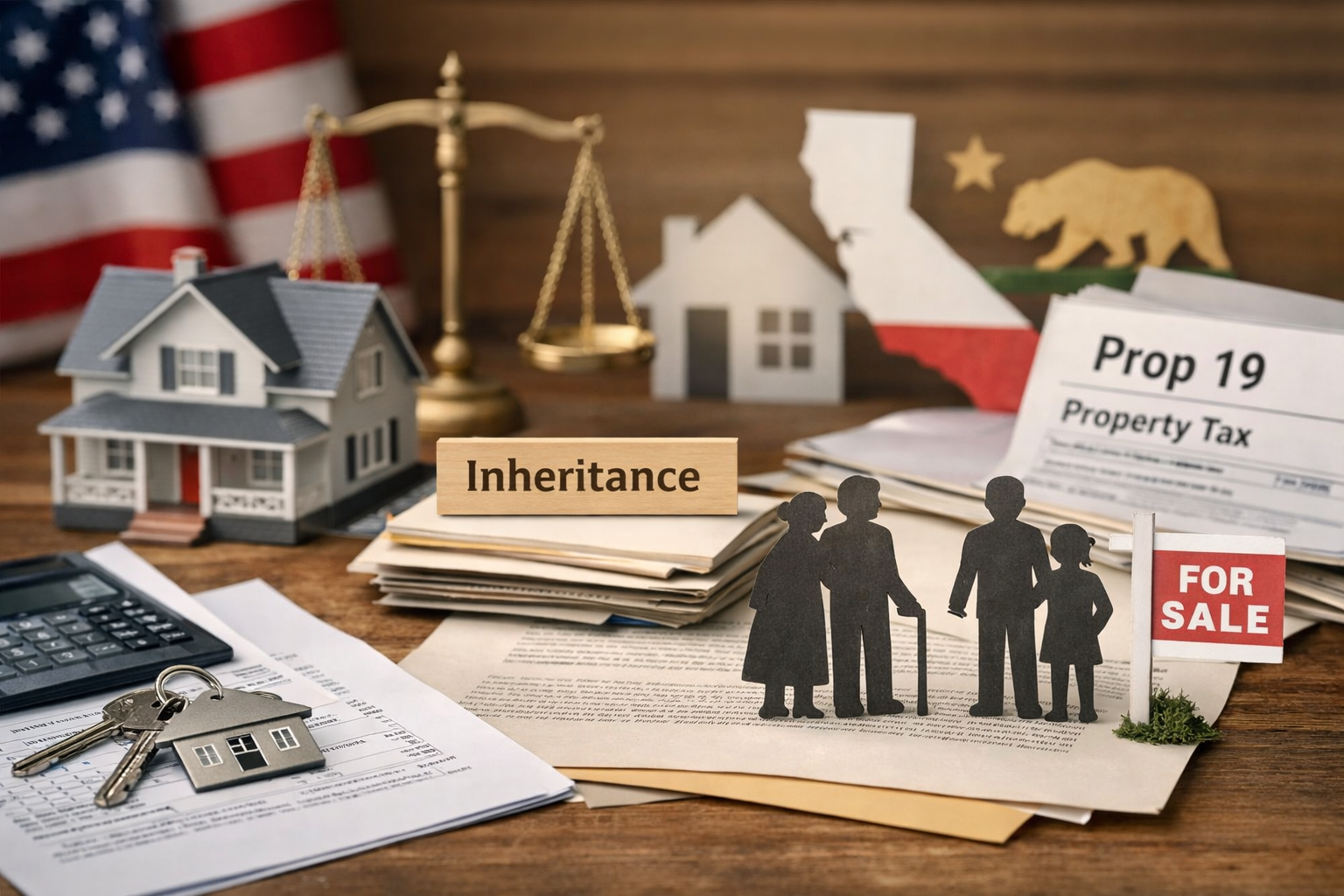
For the 20–65 age demographic, understanding the BOE’s role is a matter of practical survival. If you are a first-time homebuyer in your 30s, the BOE’s interpretations determine your long-term budgeting and whether your "fixed" tax rate actually stays fixed. If you are in your 60s looking to transition your home to the next generation, the BOE’s specific rules on "Intergenerational Transfers" under Prop 19 are the difference between a manageable inheritance and a tax bill that forces a sale. When the rules are clear, you can plan; when they are murky, your legacy is at risk.

Navigating the 2026 Landscape
As we move through 2026, the BOE is currently at the center of a significant shift. We are seeing a new wave of clarifications regarding how "accessory dwelling units" (ADUs) and multi-generational housing are assessed under the latest 2026 legal standards. The urgency is real: the interpretations the BOE releases today will dictate the financial health of California estates for the next decade. In this fast-moving environment, staying "current" isn't enough; you need to understand the trajectory of these rules before they land on your doorstep as a reassessment notice.
Our role at CBM is to serve as your guide through this regulatory thicket. We don't look for temporary "fixes" or aggressive loopholes. Instead, we focus on the fundamental "Rule of Law" as established by the BOE to create durable, long-term estate structures. By aligning your property management with the state’s own guidance, we mitigate the risk of future audits or unexpected tax spikes.

A Framework of Complexity
It is important to maintain a realistic perspective: the BOE provides the "rules of the road," but the actual "driving" is done by your local County Assessor. While the BOE’s guidance is highly influential, local assessors have the autonomy to make initial determinations based on their specific market data. The interplay between state rules and local application is inherently complex and often requires a professional eye to ensure compliance.
Contact CBM Estate & Trust Law today to schedule a consultation. Our attorneys can help you review your property’s history and develop a customized planning strategy to protect your family’s future.
